The Pakistan auto industry is entering a significant phase of transformation as market dynamics continue to shift due to new government policies, changing consumer behavior, and rising vehicle prices. According to the experts in the industry, this is a time of gradual shift to a more competitive market with more consumers making better choices and more moving towards the use of environmentally friendly cars.
The upcoming auto policy Pakistan 2026–2031, expected to be introduced in July 2026, signals a move away from protectionism. The proposed policy under the duties on fully assembled vehicles will decrease to 15% within five years, and Additional Customs Duty (ACD) and Regulatory Duty (RD) will be eliminated gradually. On the one hand, this policy can have a relatively insignificant immediate effect; on the other hand, in the long term, it will stimulate healthy competition and the emergence of new players, as well as provide customers with more opportunities to choose vehicles of different types.
Simultaneously, the government has an intention to charge a 40 percent surcharge on imported used vehicles in FY 2026 in order to reduce an increasing arrival of second-hand cars. This will potentially directly influence the low-end market that has been dominated by imported cars that are made in Japan and might prompt consumers to shift to locally assembled vehicles.
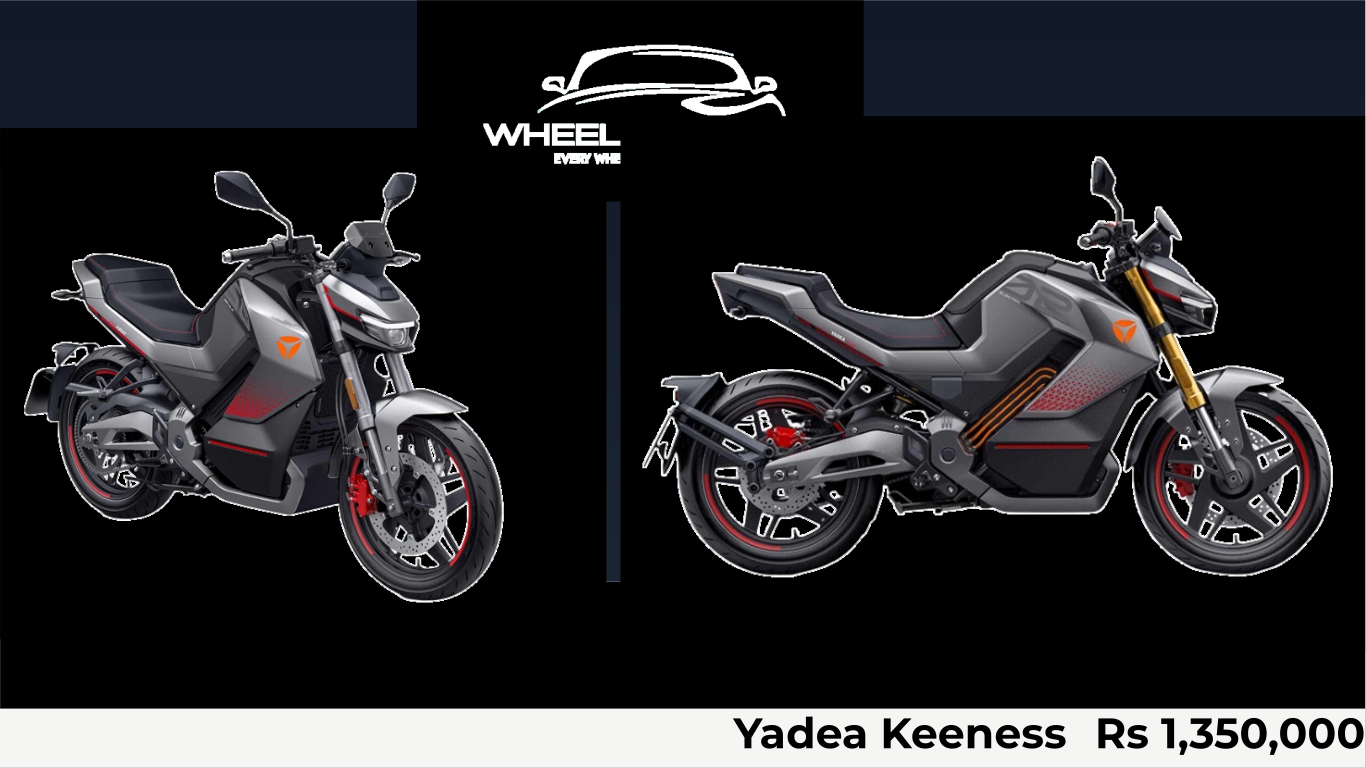
Electrification is another major focus for the Pakistan auto industry, driven by the NEV Policy 2025–2030, which aims for 30% EV Pakistan adoption by 2030. The incentives offered by the policy include lowered duties of EV ingredients, subsidies, and assistance in the local manufacturing of batteries. The above is meant to make electric vehicles Pakistan more affordable and accessible, and the infrastructure issues such as charging networks should be addressed.
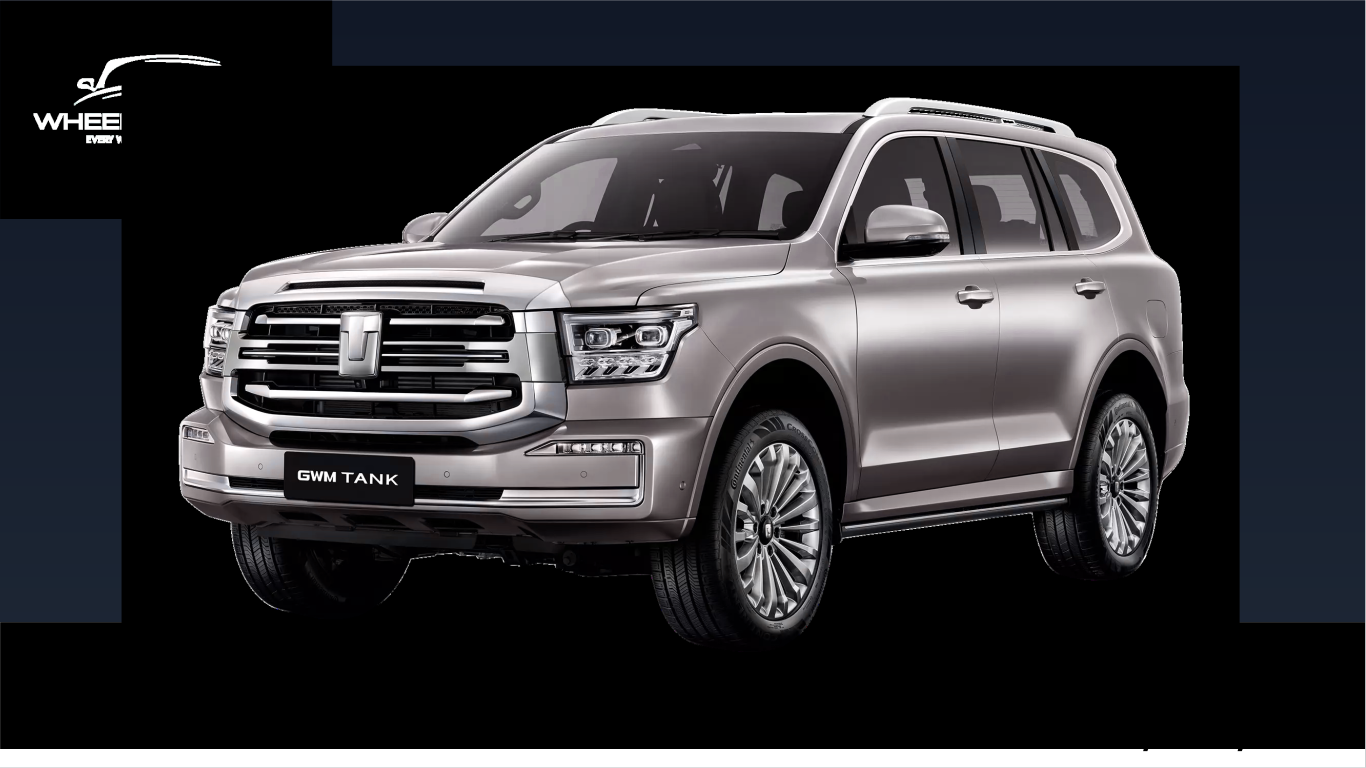
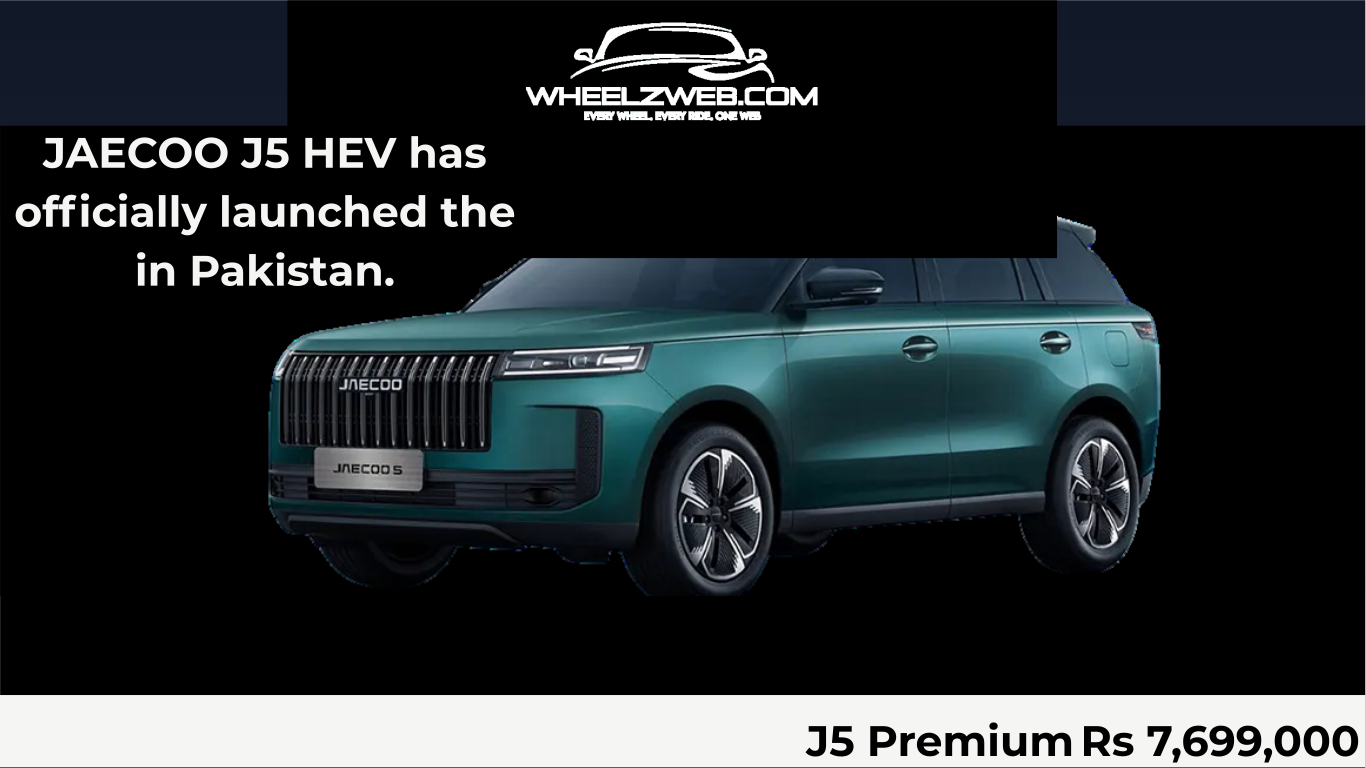
The industry has also been recovering on the production side, with local CKD assembly and new entrants—particularly Chinese brands—offering hybrid and electric cars Pakistan. Increasing inflation, currency pressure and levies have however risen the prices of entry level vehicles to above PKR 2 million and affordability is one of the biggest concerns among customers.
With these developments, the Pakistan auto industry is poised for a dynamic shift in the coming years. Policies reforms, EV use and increased competition may help alter the situation in the market, offering consumers more choices, and slowly transforming the country into a more environmentally friendly automotive future.